
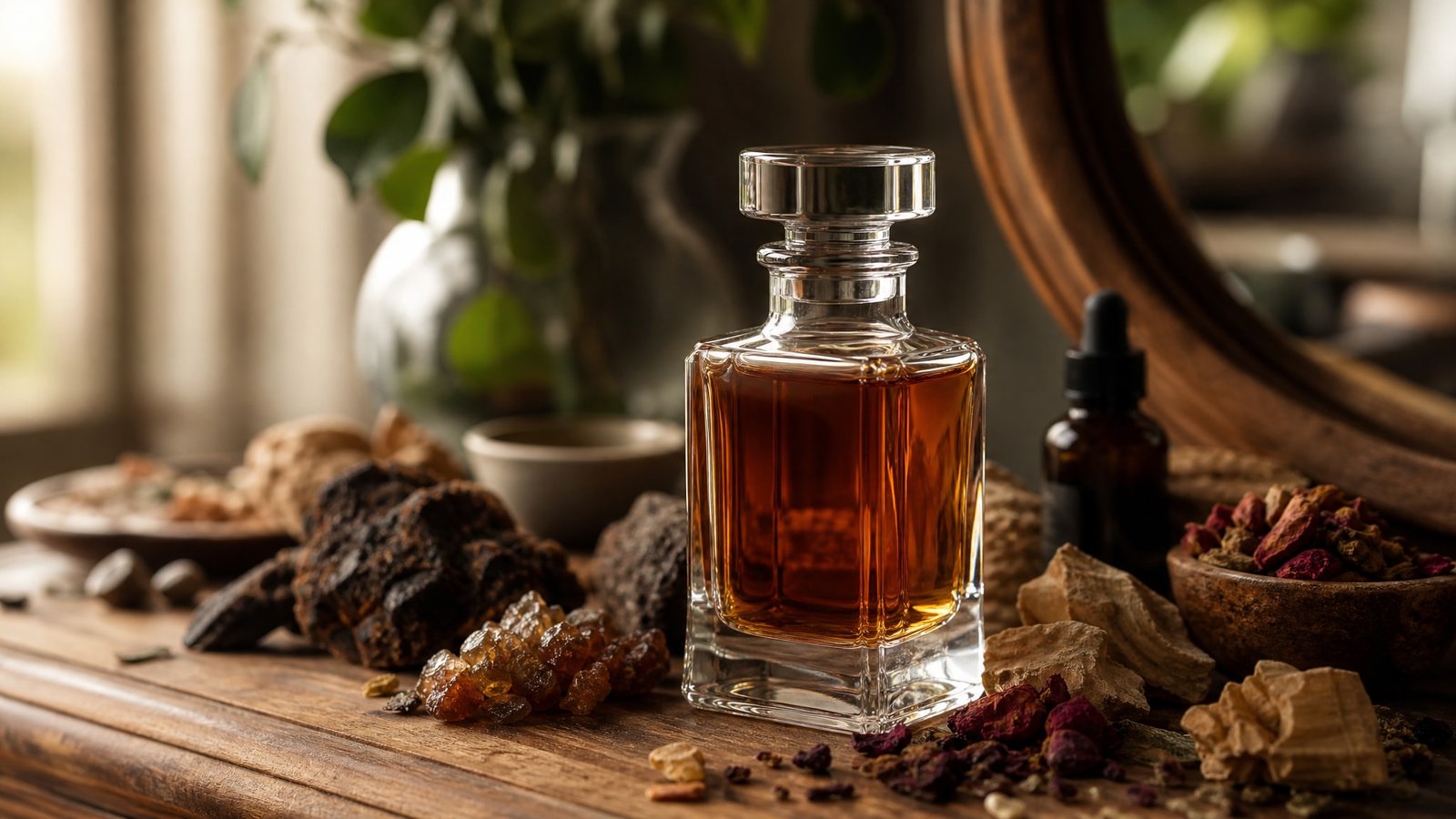
True fragrance speaks to the spirit before it ever reaches the nose. When you seek a natural extrait de parfum, you’re looking for something that becomes an intimate extension of your own presence. Old World Fragrance formulates its extrait de parfum line exclusively using natural flower absolutes, tree oils, and plant extracts, with no modern synthetic compounds. Every bottle holds the concentrated soul of nature, not a laboratory approximation, so what you wear is rooted in authenticity and traditional artistry.
Defining True Natural Extrait de Parfum
The term extrait de parfum has been diluted by an industry that often uses it to describe high concentrations of synthetic aroma chemicals rather than genuine botanical density. A true natural extrait de parfum gets its intensity from the sheer viscosity and richness of plant materials, not from engineered fixatives built to stretch longevity artificially.
Beyond Synthetic Concentrations
Mass-market perfumery often leans on synthetic musks and phthalates to fake depth and staying power. These lab-made molecules can mimic certain aspects of natural scents, but they lack the complex evolution and living breath that only real plant extracts carry. You deserve a fragrance that develops with your own body chemistry, not one that sits on the skin like a static chemical mask. Natural perfume concentration comes from the inherent weight of resins and absolutes, which bind to skin oils and release their aromatic compounds slowly through the day, with no artificial push behind them.
The Purity of Flower Absolutes
Flower absolutes are the most concentrated form of botanical fragrance there is, and they require vast quantities of raw plant material to yield even a small amount of essence. This extraction method preserves the flower’s full aromatic profile, including the subtle notes that steam distillation or synthetic replication simply miss. Because of that purity, what you wear is genuinely drawn from nature. Each application becomes its own small indulgence in luxury, honoring both the source and the wearer.
Floral Absolutes in Our Jasmine and Blue Lotus Fragrances
Floral notes in natural perfumery demand exceptional sourcing, since flowers are fleeting and their essences are hard to preserve without altering them. Our approach centers on honoring the full character of each bloom through careful selection and blending of multiple absolute origins.

Jasmine: A Dual-Origin Essence
The Jasmine Fragrance, around USD 25.00, blends two distinct, handpicked jasmine oils to capture the flower’s complete sensual and fresh essence. One oil brings the intoxicating, narcotic depth jasmine is celebrated for. The other brings a greener, more luminous quality that keeps the scent from turning cloying. This dual-origin method lets jasmine show up as it exists in nature: complex, contradictory, and profoundly alive, rather than a flattened synthetic shadow. You’ll notice how the fragrance shifts through the hours, revealing different facets as the two oils interact uniquely with your skin.
Blue Lotus: Serene Mystical Elegance
Our Blue Lotus fragrance, also around USD 25.00, combines white, pink, and blue lotus absolutes into a composition that’s calming and uplifting at once, with no synthetic enhancers involved. White lotus brings a clean, aquatic purity. Pink lotus adds a soft floral grace. Blue lotus contributes an ethereal, slightly medicinal mystery that has captivated people for millennia. Together they form a scent that feels ancient yet immediate, inviting you to unleash your senses into something close to a meditative state.

Earthy Depth Through Pure Plant Extracts
Base notes in natural perfumery hold up the lighter top and heart notes above them, and getting that grounding effect without synthetic musks takes careful selection of earth-derived materials. These elements need enough natural tenacity to anchor the fragrance while staying in harmony with the more volatile botanicals layered over them.
Patchouli Balanced with Vanilla and Sandalwood
The Patchouli fragrance, priced around USD 25.00, reaches its complexity through natural harmony, not synthetic musk compounds, leaning on real vanilla and sandalwood for warmth. Patchouli alone brings a rich, loamy depth that could easily overwhelm if left unbalanced, so we temper it with the creamy sweetness of vanilla and the smooth, meditative qualities of sandalwood. Each note unfolds like a story: earthy yet sweet, bold yet comforting, evolving continuously instead of sitting as one static impression. This interplay of three distinct natural materials produces a sophistication that synthetic patchouli bases can’t touch.
Tibetan Musk: Wild and Untouched
Our Musk Fragrance, around USD 25.00, sources its essence from the pristine landscapes of Tibet, where nature remains untouched and wild. This all-natural musk carries rich longevity, proof against the idea that natural perfumes can’t last on skin. The warmth and earthiness come from centuries-old harvesting and processing traditions, carrying the essence of highland ecosystems directly to you. Wearing this scent connects you to remote places and old practices, something industrial production gave up on long ago.
Ambergris: Nature’s Rarest Resinous Treasure
Genuine ambergris stands apart from almost every other material in perfumery because it isn’t harvested from a living plant. It’s found, a gift the ocean gives up on its own. The Ambergris Fragrance, around USD 25.00, captures this rare, ocean-formed resinous treasure as a natural alternative to the synthetic ambroxan used widely in commercial extraits.
Formed within sperm whales and transformed over years by salt water and sunlight, true ambergris carries a marine, animalic warmth that deepens with age. No laboratory has managed to replicate this process, so wearing this scent means wearing something that exists nowhere else. One thing worth knowing: natural ambergris extrait doesn’t project across a room the way synthetic versions do. It builds an intimate aura instead, one that draws people closer rather than announcing you from across the room.
Traditional Craftsmanship vs. Modern Perfumery
The difference between artisanal natural perfumery and industrial fragrance production goes well beyond ingredient lists. It comes down to different philosophies about what scent should be. Founder Robert Comitz brings forty-five years of fragrance-making experience to the craft, and that experience shows in scents built on traditional, nature-derived artistry rather than mass-market production. Decades of this work mean understanding how natural materials behave, age, and interact in ways no textbook teaches and no technology speeds up.
Forty-Five Years of Artisan Experience
Working exclusively with natural materials takes patience and intuition built over a lifetime, because botanicals shift with harvest conditions, origin, and age in ways synthetics never do. That kind of experience is what lets us recognize when a batch of absolute has something exceptional in it, or when a blend needs adjusting to honor what the materials actually are. You get the benefit of that accumulated knowledge every time you apply our fragrances. This mastery can’t be scaled or automated, which is exactly why these scents stay rare and personal.
Unleashing Senses Through Authenticity
Choosing unisex fragrances made with traditional methods over industrial production is, in its own way, an act of reclaiming sensory autonomy in a world full of manufactured experiences. Natural extraits ask for active engagement, not passive consumption; they want you to notice the subtleties and changes that synthetic perfumes iron out. That authenticity turns fragrance from a cosmetic accessory into something closer to a ritual, one that reconnects you with the natural world. The payoff isn’t smelling like everyone else. It’s wearing something with real history and intention behind it.
Choosing Your Signature All-Natural Scent
Selecting a natural extrait de parfum is a different exercise than choosing conventional perfumes, because these scents ask for a different relationship between wearer and fragrance. Rather than testing a dozen options quickly, bring the same mindfulness to this choice that you’d bring to any meaningful commitment.
Navigating Pure Extrait Intensity
Pure extrait de parfum sits closer to the skin than alcohol-heavy sprays, which makes it a personal scent bubble rather than a public announcement. Because of that, evaluate potential signatures by wearing them through a full day and watching how they develop and merge with your own chemistry. Start with profiles that resonate emotionally: floral for beauty and sensuality, earthy for grounding and stability, resinous for mystery and rarity. Trust your instincts over trends. A signature scent should feel inevitable, not fashionable.
Indulging in Timeless Elegance
We invite you to explore our curated collection of natural extraits and find which botanical voice speaks most truly to your spirit. Each fragrance in this lineup tells a story of nature and tradition rather than fleeting trends, with an elegance that deepens the longer you wear it. Sign up for updates on new artisanal releases to follow along as we expand the collection while holding to the same standards. Indulge in luxury that honors both your senses and the living world these scents come from.
Frequently Asked Questions
Why is natural extrait de parfum more expensive than synthetic versions?
Natural extrait de parfum requires enormous quantities of raw botanical material to produce small amounts of absolute, with some flowers yielding less than one kilogram of essence per several thousand kilograms of blossoms. Synthetic aroma chemicals cost fractions of a cent per gram to manufacture at scale, while genuine flower absolutes and rare resins like ambergris demand labor-intensive harvesting and traditional processing methods. The price reflects agricultural reality and artisanal time rather than marketing markup.
Is extrait de parfum the same as le parfum?
Yes, extrait de parfum and le parfum refer to the same concentration category, representing the highest ratio of fragrance material to carrier in traditional perfumery. However, this designation says nothing about whether those materials are natural or synthetic, so you must examine ingredient lists and brand philosophy to determine actual composition. Many commercial ‘le parfum’ products contain predominantly synthetic compounds despite their prestigious naming.
How can I tell if a perfume is truly 100% natural?
Genuine natural perfumes disclose specific botanical sources like flower absolutes, tree oils, and plant extracts rather than vague terms such as ‘fragrance’ or ‘parfum’ which typically indicate synthetic blends. Reputable natural perfumers explain their extraction methods and sourcing practices transparently, and their scents evolve noticeably on skin rather than remaining linear. Be wary of products claiming natural status while offering uniform projection and twelve-hour longevity, as these characteristics usually require synthetic fixatives.
Do natural extraits last as long as synthetic perfumes?
Natural extraits persist differently rather than disappearing faster, evolving through distinct phases as botanical compounds interact with your skin oils throughout the day. Dense materials like patchouli, sandalwood, and ambergris provide genuine longevity through their molecular weight, while lighter florals may fade sooner but offer richer development during their lifespan. Expect four to eight hours of intimate wear rather than the twelve-hour static projection of synthetic alternatives.

Leave a Reply